When Do Babies Produce Antibodies
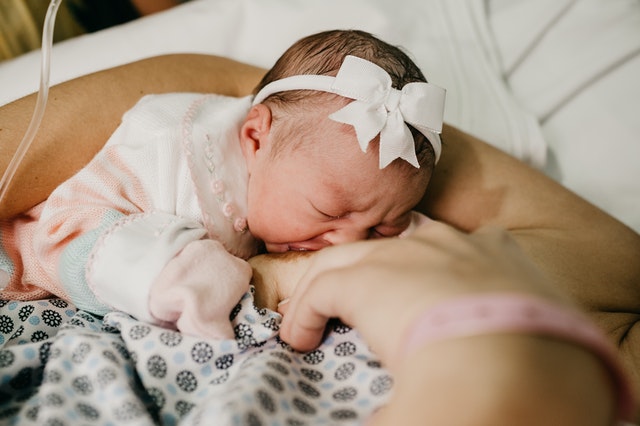
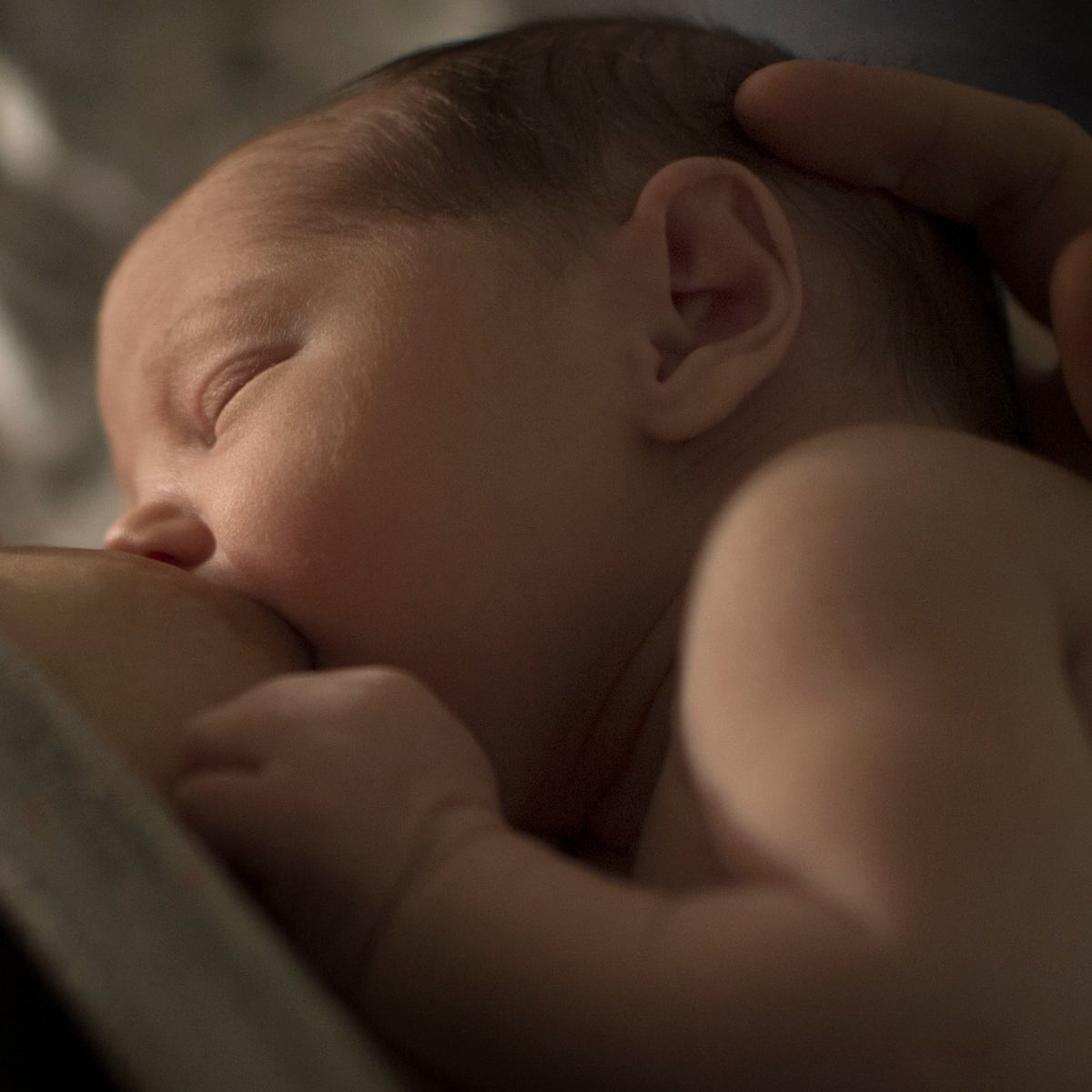
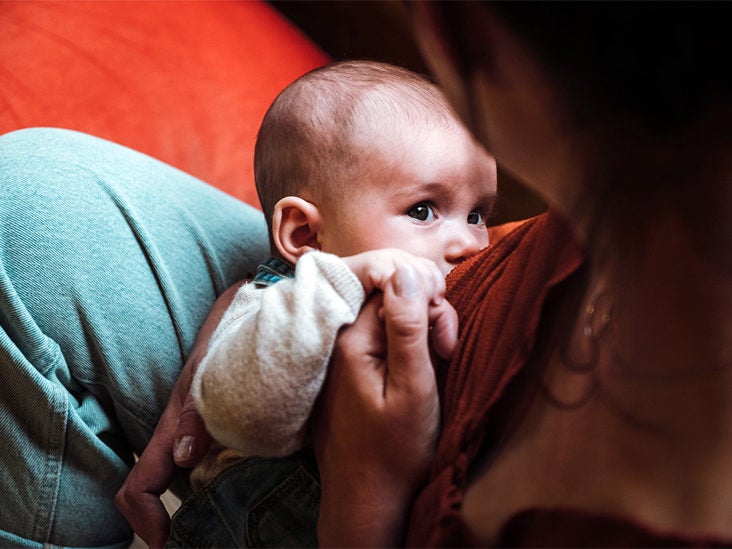
Newborns are generally protected by the antibodies they receive through the placenta before birth and through their mothers breastmilk after birth. Your baby needs between 7 to 14ml of colostrum per feeding to get the optimal antibodies per feeding.
Vaccinated Mothers Can Transfer Antibodies To Their Babies To Protect Them From Covid 19
In those first few months the immune system especially cell-mediated immunity becomes more developed.

When do babies produce antibodies. Via the placenta Antibodies generated by the moms immune system begin to cross the placenta by the 13 weeks of gestation. Breast milk antibodies can offer many benefits to babies. The researchers also found that vaccination led to antibody production in pregnant women as early as five days after the first dose while the transfer of antibodies through the placenta to the baby occurred as early as 16 days after the first dose.
After 3-4 days you start producing breastmilk which reduces the amount of active antibodies tenfold decreasing. Within 24 hours after birth your body produces approximately 37ml of colostrum which is a highly concentrated source of antibodies. A 2015 review of 24 studies found that exclusive breastfeeding for 6.
We now have clear evidence the COVID vaccines can induce immunity that will protect infants said Galit Alter core member of the Ragon Institute and co. When baby drinks the milk the antibodies help keep baby safe from potential infections it encounters early in life. It is interesting to note that your babys immune system is already starting to build itself while he is in your womb.
At what age do babies produce antibodies. However even low-titer non-protective levels of maternal antibodies have still been shown to inhibit infant immune responses to vaccination. During pregnancy antibodies are transferred from mother to child.
A newborn does not yet have a mature immune system and is often unable to mount an effective immune response. This is how the baby gets some protection from germs and viruses when he is suddenly brought into the outside world. These antibodies will be the same ones that are circulating in the mothers system which will include antibodies to the microorganisms in the mothers.
The researchers also observed that the higher the maternal antibody levels the higher the newborn antibody levels and that the chances of having. An infants immune system doesnt mature until around 2 to 3 months Dr. After birth these maternal antibodies wane in the first 6 to 12 months of human life.
These include reducing your babys risk of. Vaccine-generated antibodies were also present in all umbilical cord blood and breast milk samples taken from the study showing the transfer of antibodies from mothers to newborns. These antibodies are an essential part of the fetuss immune system.
Antibodies passed on via breast milk are impacted by whatever else the baby drinks or eats. However a second unpublished study suggests that the maternal-infant antibody transfer is lower than expected. To compensate the mothers immunoglobulin Ig G antibody moves across the placental barrier to provide some protection.
Within only a few hours after nursing they will have disappeared from the babys mouth and nasal. The passive immunity passed on from the mother at birth also doesnt last long and will start to decrease in the first few weeks and months after birth. The neonate and infant can receive additional.
However most of the antibodies cross the placenta late in pregnancy during the third trimester so they will be plentiful at the time of birth. This helps prevent the baby from developing diseases and infections. Most maternal antibodies are of the IgG isotype and are metabolized over time.
Antibodies are passed from mother to baby through the placenta during the third trimester last 3 months of pregnancy. Background - A babys immune system is not fully developed until heshe is about six months-old. Babies produce their own antibodies every time they are exposed to a virus or germ but it takes time for this immunity to fully develop.
During the last 3 months of pregnancy antibodies from mothers are passed to their unborn babies through the placenta. This type of immunity is called passive immunity because the baby has been given antibodies rather than making them itself. And if baby contacts germs before the mother does the baby will pass the germs to the mom during nursing and by the time the next breastfeeding session comes around the mothers milk will already be full of antibodies to protect baby against the germs it encountered.
When healthy babies are about two to three months old the immune system will start producing its own antibodies. They identify and bind to harmful substances such as bacteria viruses and. During the next several months the antibodies passed from the mother to the infant steadily decrease.
SARS-CoV-2 antibodies transferred across the placenta in 87 of pregnant women who had COVID-19 at some point suggesting that newborns of seropositive mothers may have some protection against the novel coronavirus at birth according to a study today in JAMA Pediatrics. Further immune factors are received through breast milk particularly in the early months of life. Antibodies are passed from the mother to the baby through the placenta during the third trimester of pregnancy.
This maternal protection is a crucial support for the infant immune system during its development but it does not cover everything. On the bright side the mothers immune system does continue to. Mothers can pass on antibodies against diseases she herself has had in the past or those against which she.
Herein what age do babies produce antibodies. Immune responses to all types of vaccines including live-attenuated inactivated and subunit vaccines have been reported. In the meantime pregnant mothers pass immunoglobulin antibodies from their bloodstream through the placenta and to the fetus.
This means that a 2-week-old babys immune system cant fight viruses or bacteria nearly as well as a 3-month-olds can.
Everything You Need To Know About Breastfeeding Walnut Hill Obgyn

Covid 19 Vaccine Safe For Mom And Baby New Study Suggests Shots Health News Npr
What We Know About Vaccination Breastfeeding And Antibodies Macarthur Medical Center
What Covid 19 Is Teaching Us About Human Milk And Antibodies Gavi The Vaccine Alliance

I Have Lupus How Will It Affect My Baby Babycenter
What We Know About Vaccination Breastfeeding And Antibodies Macarthur Medical Center

Maternal Antibody An Overview Sciencedirect Topics

How Your Baby S Immune System Develops Pregnancy Birth And Baby

Dynamic Changes Of Acquired Maternal Sars Cov 2 Igg In Infants Scientific Reports
Covid 19 Vaccines And Breast Milk Antibodies Infantrisk Center
Delta Variant Covid And Babies What You Need To Know Shots Health News Npr

Vaccinated Pregnant Women Pass Antibodies To Babies Early Research Shows The Washington Post

Once Infected Or Vaccinated A Mother Can Pass On Covid Antibodies To Her Baby Through Breast Milk
Antibodies In Breast Milk Remain For 10 Months After Covid Infection Study Breastfeeding The Guardian

Is Your Newborn Baby S Immune System Strong Enough Cleveland Clinic
11 Benefits Of Breastfeeding For Both Mom And Baby
/GettyImages-1203911366-ae9a8f17df934f5491c69c33295b35cf.jpg)
Breast Milk Transfers Covid 19 Antibodies To Babies Research Suggests
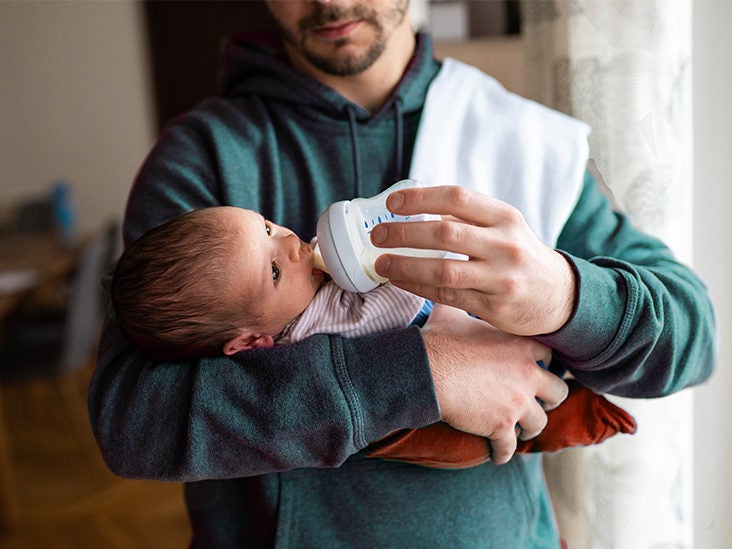
11 Benefits Of Breastfeeding For Both Mom And Baby
Study Shows Covid 19 Vaccinated Mothers Pass Antibodies To Newborns Harvard Gazette


Posting Komentar untuk "When Do Babies Produce Antibodies"